CVE-2026-109618 and CVE-2026-109619 reveal why mobile app security testing must follow every network connection beyond the app binary and why AI is changing the pace of discovery and defense.
You can fully patch your Android or iOS app and still put users at risk. If it relies on a vulnerable backend, the trust boundary is bigger than the code on the device. That is the mobile security lesson from PHP2Shell, the newly disclosed PHP engine vulnerabilities that can expose API services and user data across the mobile apps that depend on them.
On Oct. 21, 2026, the PHP project released fixes for two critical issues, CVE-2026-109618 and CVE-2026-109619, each rated 9.2 under CVSS v4.0. Wiz Research demonstrated that AI-assisted security research helped turn complex, longstanding flaws into practical exploit chains. For mobile teams, the immediate question is not only “Do we run PHP?” It is “Which services using PHP do our apps and their SDKs actually contact?”
What PHP2Shell Means for Mobile Apps
The two PHP engine issues affect server-side request processing. CVE-2026-109618 involves out-of-memory corruption; CVE-2026-109619 involves stale global state surviving between requests. The PHP project confirms unauthenticated remote code execution in certain configurations, with the highest demonstrated risk in Apache mod_php, where exploitation can occur before application-level code runs. Other PHP server interfaces have different prerequisites and degrees of demonstrated exploitability.
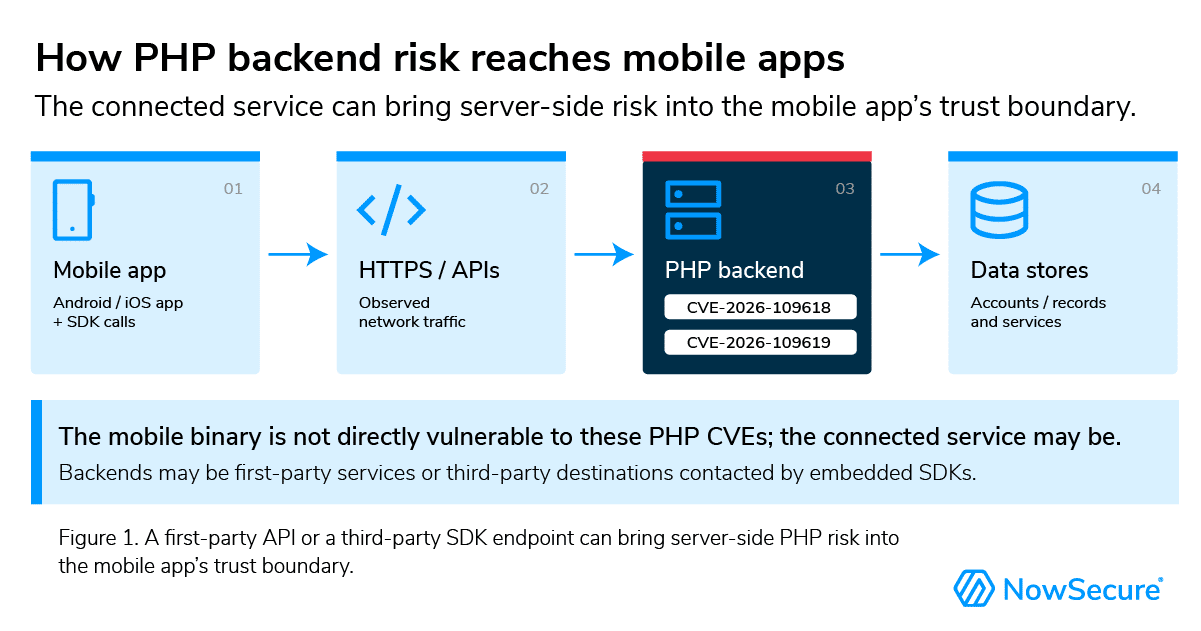
A successful exploit runs on the server, not the mobile device. However, when that server handles an app’s APIs, the consequences can cross directly into the mobile experience:
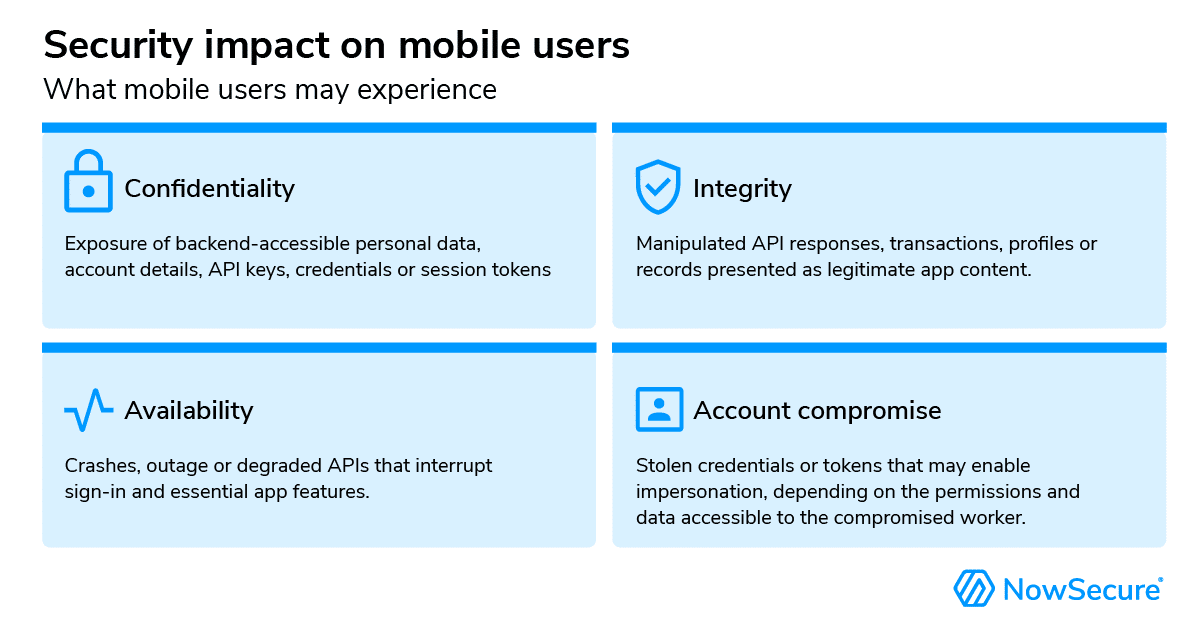
A compromised PHP backend can affect the confidentiality, integrity and availability of mobile apps and their users.
This PHP compromise does not automatically give an attacker remote code execution (RCE) on a person’s phone. The risk is backend exposure that affects the app’s confidentiality, integrity and availability. Neither CVE is in the mobile binary itself.
The Clues Are Already in Mobile Network Traffic
Consider a response observed while dynamically testing an Android or iOS application:
content-type: text/html; charset=UTF-8
date: Thu, 22 Oct 2026 06:35:47 GMT
server: nginx
transfer-encoding: chunked
x-powered-by: PHP/7.2.27
The X-Powered-By value advertises an obsolete PHP release, giving the security team a strong reason to investigate an endpoint contacted by the app. Even when the response shows nginx, PHP could still serve the request behind the reverse proxy. Just as importantly, response headers can be absent, stale, intentionally masked or generated by an intermediary. They do not by themselves prove the true runtime version, an unpatched installation or exploitability. Confirm the stack and vendor patch status with the service owner.
This is why network-aware mobile app testing matters. It can identify the destination, capture evidence from the response and help correlate the connection with an app workflow and its component inventory. A source-code scan of the mobile app alone cannot inspect a third-party backend that the app calls at runtime.
A Mobile Ecosystem View: Evidence at Scale
NowSecure’s extensive history of real-device assessments and mobile risk intelligence makes this type of exposure practical to investigate at portfolio scale. We can look across observed Android and iOS app traffic for backend technology disclosures, connect those signals to destinations and identify apps that need follow-up, without claiming to have exploited the server.
To put this into perspective, we analyzed a sample of NowSecure mobile app assessments conducted over the past three months. We found that 8.5% of assessed Android and iOS apps connected to at least one PHP server with a potentially vulnerable version. While this does not necessarily mean every server remains unpatched, it illustrates the widespread potential exposure across the mobile ecosystem and the importance of continuously monitoring the backend dependencies that mobile apps rely on.
What matters more than a headline percentage is attribution: which specific app build connected to which hostname, through what workflow, and who can remediate it? Network evidence helps transform a broad PHP announcement into a concrete mobile app risk-management task.
First-Party Backend or Third-Party SDK? The Response Differs
App publishers are accountable for the behavior and dependencies of the software they distribute, even when they did not write every component. A mobile SDK can initiate its own network requests to analytics, authentication, advertising or feature services. Those requests may never appear in the app team’s API documentation.
- If your organization owns the backend:
Treat the finding as an infrastructure and application security incident. Identify the exact PHP runtime and server interface; patch affected deployments to PHP 8.2.35, 8.3.36, 8.4.27 or 8.5.12, or a supported vendor build with the fixes backported. For PHP 8.1 and older, move to a supported branch or a verified vendor-supported package. Rebuild or restart workers as appropriate, review logs for signs of exploitation, assess token and credential exposure, and test affected API workflows after remediation. - If an SDK contacts a third-party backend
Start with the app’s SDK inventory, runtime traffic and vendor contracts. Notify the SDK vendor or service provider and request evidence of the fix, including the deployed PHP version or vendor backport and mitigation status. Update the SDK if an update changes endpoints or removes the exposure; otherwise disable the risky integration, switch providers or restrict the affected feature or data flow while the vendor remediates. Reassess the app and document the residual risk. You usually cannot patch the provider’s PHP server yourself but you can control whether and how your app depends on it.
A connection discovered through an SDK is not automatically attributable to that SDK from a response header alone. Correlate runtime calls, SDK inventory and behavioral analysis before assigning ownership.
AI Changes the Speed of Discovery and Expectations for Defenders
Wiz Research describes using frontier AI models to accelerate the difficult work of finding, reasoning about and validating the PHP2Shell exploit chains. The flaws were already there. What changed is that AI helped Wiz Research build working exploit chains for bugs that had looked too complex to be worth the effort.
Defenders can use AI too. In recent NowSecure research on agentic mobile app security testing, we paired AI-assisted analysis with specialized tools, curated security knowledge, runtime evidence and independent validation. NowSecure AI-Navigator and agentic workflows help teams reach complex in-app states and decide what to test first. Measured network observations and human verification keep the findings defensible, because an AI-generated claim still needs proof.
NowSecure Platform Update Coming Soon
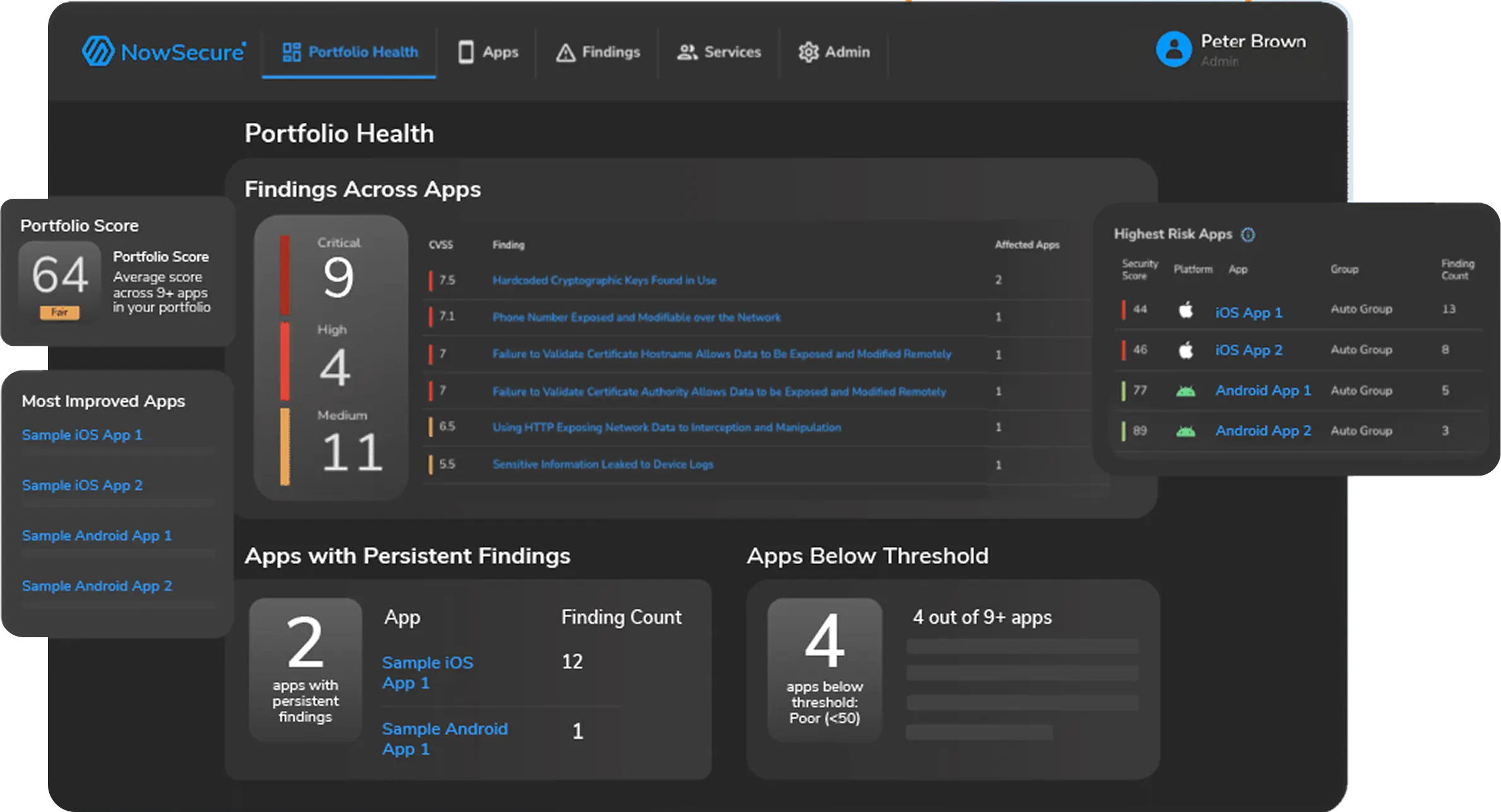
NowSecure Platform will provide the network traffic monitoring and analysis needed to identify apps that contact backends showing indicators of affected PHP versions. Apps with observed connections to these potentially vulnerable services will receive a specific finding, together with the endpoint evidence, network traffic and actionable guidance for immediate investigation and remediation. The finding will flag exposed dependencies; exploitability must still be confirmed by the backend owner or a targeted security assessment.
For apps your team develops, NowSecure Platform combines automated mobile app security testing with runtime evidence to help developers locate the affected workflow, identify the backend owner and verify the result after a fix. NowSecure Mobile Pen Testing as a Service (PTaaS) adds expert validation of API exposure, complex workflows and realistic attack paths when an automated signal needs deeper investigation.
What Mobile Security Teams Should Do Now
- Retest your Android and iOS apps: Exercise authenticated workflows and SDK-driven features to capture the backend traffic that actually occurs in use.
- Map every flagged endpoint to an owner: Distinguish first-party APIs from third-party infrastructure and SDK-generated requests. Validate observed PHP disclosures against the service’s actual software inventory and patch status.
- Patch or escalate immediately: Deploy a fixed PHP release or supported vendor backport for owned infrastructure. For third parties, require remediation evidence and consider disabling or replacing an exposed integration. Temporary mitigations are incomplete and do not replace patching.
- Investigate possible compromise: Examine server and proxy logs, unexpected processes, suspicious requests, account activity and potential credential or token exposure. Rotate affected secrets and engage incident response where indicators justify it.
- Retest and keep monitoring: Confirm that updated services are in production, repeat mobile app assessments in NowSecure Platform, and use NowSecure Mobile Pen Testing as a Service (PTaaS) for higher-risk applications or unclear exploit paths.
The bottom line: Your mobile app’s security boundary does not stop at the app binary. A vulnerable service reached by your API code or by an SDK you barely knew was calling it can endanger user data and app availability. With AI raising the pace of vulnerability discovery, continuously testing real app behavior and the services it depends on is no longer optional.
Review your apps and their backend dependencies for potential exposure using the guidance above. If you need assistance assessing the impact or determining the appropriate next steps, contact NowSecure Support.

“Your mobile app’s security boundary does not stop at the app binary.”