Industry News
Mobile app security vulnerabilities have put the U.S. Navy and Marines, the Ukrainian military, and military bases and installations around the world in harm’s way. hackers and nation states could learn the locations of troops using the mobile apps, and in some cases could also access other highly sensitive operational information. Learn how National Information Assurance Partnership (NIAP) mobile app vetting requirements help reduce risk to federal missions.
The COVID-19 pandemic has upended the economy and the traditional ways companies do organization. To adapt, companies have added new services to their mobile apps or launched new apps to improve safety and capture more organization. Here’s a look at how a handful of industries have innovated with mobile-centric strategies.
Mobile app users have become more savvy about protecting sensitive personal information and regulations such as the General Data Protection Regulation (GDPR) and California Consumer Privacy Act (CCPA) restrict data usage and sharing practices. Developers can get ahead of regulatory action and improve the overall user experience by looking for ways to implement mobile app privacy features directly into their mobile apps. Here are six mobile app privacy features they should implement.
Mobile apps are critical to enabling the U.S. federal agencies such as the U.S Department of Defense to meet their mission. Core to that mission is ensuring a high security testing bar for the mobile apps they build and use. Until now, completing that security compliance testing has been a complicated, time-consuming manual process that was built for web apps, not mobile apps. Today, NowSecure is announcing the world’s first automated NIAP Mobile App Vetting solution that supports NIAP v1.3 Mobile App Vetting Protection Profile for Application Software.
As organizations seek to reduce costs and gain efficiencies, automation plays an increasingly important role in mobile application security. Automated mobile app security and privacy testing tools enable organizationes and public-sector agencies to slash the costs of penetration testing by at least 50% and boost the productivity of security analysts tenfold.

Many mobile app developers with the best of intentions have rushed COVID-19 apps to Google Play and the App Store to assist with contact tracing, symptom diagnosis and outbreak maps. But in the speed to get apps that can help fight the pandemic out to the public quickly, some security and privacy vulnerabilities went undetected prior to release. Because the sensitive nature of healthcare information creates unique security and privacy challenges, I advise mobile app developers and security analysts to heed the following advice to avoid fairly common security, privacy and compliance issues.
In this dire time, the world is grasping for critical healthcare solutions to fight COVID-19. Incredible people have stepped up to leverage technology in meaningful ways to benefit humanity. The current stay-at-home orders afford app developers precious time to build innovative solutions that can help speed the return to normalcy. Thanks to our significant experience writing and testing the security of mobile applications, we’ve amassed a series of best practices that can guide the development of safe COVID-19 apps.
Enterprise software companies are building mobile apps that feature innovative technologies such as artificial intelligence (AI), augmented reality (AR) and other emerging technologies. Incorporating these advanced features in mobile apps helps organizationes improve services, enrich the customer experience and gain a competitive edge.

On a mission to save the world from unsafe mobile apps, NowSecure is excited to announce a new partnership with Cybrary to enable more people – anyone, anywhere – to upskill and deliver more secure mobile apps. The launch of Cybrary’s first mobile app security learning course marks a significant step towards closing the knowledge gap and building security into mobile apps by design. The best part? It’s free! Read on to get a synopsis of the course.
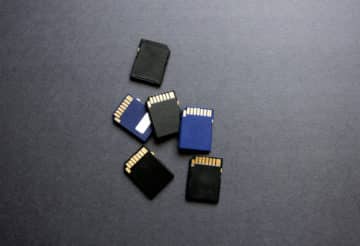
With the Android 11 preview beta being released last month, you may be scratching your head asking, “What did I miss in Android 10?” Developers will face a Nov. 2 deadline to update their mobile apps to accommodate a target SDK of Android API level 29 or higher. The addition of Scoped Storage ushers in noteworthy changes to external storage, otherwise known as public storage, SD card, shared storage, or emulated storage.