Best Practices
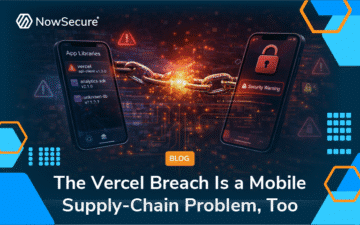
Today Vercel confirmed a security incident but the real risk may not be where most teams are looking. Attackers reportedly pivoted through a compromised OAuth grant at Context AI, took over a Vercel employee’s Google account, and accessed customer API keys, source code and database contents. Vercel has advised customers to rotate anything marked “non-sensitive.” […]
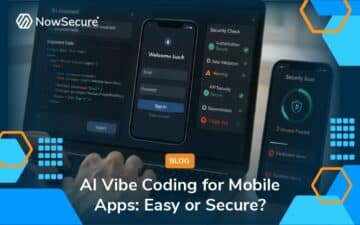
AI-generated (“vibe coded”) mobile apps can be built in hours but often lack basic security controls like encryption, secure storage and compliance requirements. This blog series outlines the process I went through building my own app capturing key observations and lessons useful for those of us using AI for personal and business use. I am […]
OWASP Mobile Application Security provides an industry-recognized foundation for reducing mobile app risk, yet many organizations struggle to apply these standards in day-to-day practice. With multiple resources — the Mobile Application Security Verification Standard (MASVS), the Mobile Application Security Weakness Enumeration (MASWE) and the Mobile Application Security Testing Guide (MASTG) — teams often lack clarity […]
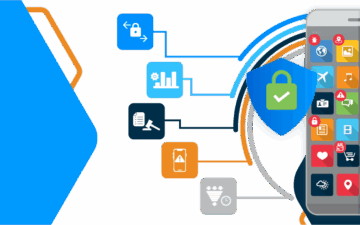
As mobile apps proliferate throughout the business, the attack surface and regulatory scrutiny expands just as quickly. For CISOs and VPs of AppSec, the question is no longer if mobile app security needs structure; it’s how soon you can adopt one. If your organization’s mobile app security efforts feel reactive, fragmented or manual, it’s time […]

AI Security in Mobile Apps: The Hidden Threat Multiplying Faster Than You Think Mobile applications have become the primary gateway to enterprise data, customer information and business operations. But there’s a rapidly evolving threat that most organizations are completely blind to: artificial intelligence (AI) embedded throughout their mobile app ecosystem. Recent analysis reveals a startling […]
Mobile applications power how we live and work, but behind the convenience lies a web of hidden data collection that puts users and enterprises at risk. Increased user profiling and real-time data harvesting (such as those implicated in the Gravy Analytics incident) has raised the stakes for protecting mobile app users from privacy leaks. Safeguarding […]

mHealth and healthtech apps connect people directly to care. Whether linking patients to life-sustaining medical devices or delivering essential health insurance services, mobile apps carry high stakes. A single flaw can compromise patient safety, expose sensitive data or erode trust. This summer, Garrett Schumacher of Velentium Medical joined NowSecure CEO Alan Snyder to discuss his approach […]

We’re in an era where parents like me have grown up with smartphones. My parents, as much as I loved them, were what we would refer to as ‘technologically challenged’. I often had to help them navigate the digital world, teaching them how to spot phishing emails or PayPal scams. Now, as a parent myself, […]
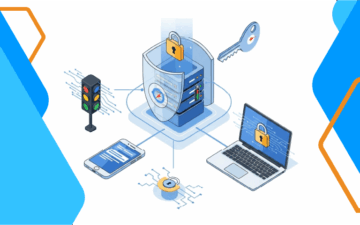
Adding robust security controls to your API can significantly improve your mobile application’s security posture. These defenses increase resilience to attacks by raising the barrier for anyone attempting to probe or manipulate your API. This applies to both mobile and web applications. In this blog, we’ll highlight three key controls that can help reduce API […]

Mobile apps often request more access than they need, exposing businesses to unnecessary risk. Dangerous permissions let Android apps tap into sensitive user data and device functions such as reading messages, recording audio, accessing stored files or tracking real-time location. On iOS, dangerous entitlements grant apps elevated privileges that can bypass built-in security controls and […]